
The Art of Styling a Bookshelf for the Wall with Personality
A bookshelf can be much more than a practical piece of furniture; it can become the centerpiece of your living room, office, or bedroom. When thoughtfully styled, it reflects your taste, lifestyle, and even your story. Among the many options, a bookshelf for the wall stands out as a design statement that combines function with elegance. It maximizes space while allowing for creative expression through the careful arrangement of books, decorative items, and personal treasures.
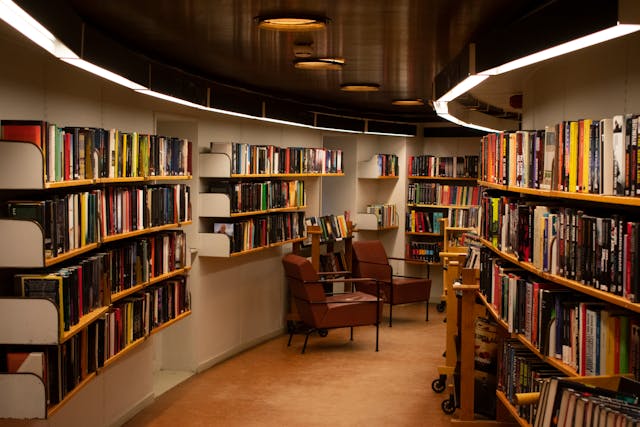 When it comes to creating a bookshelf display that feels curated yet natural, balance is everything. The key lies in combining different shapes, textures, and heights to create visual rhythm. You can alternate between vertical stacks and horizontal piles of books, and leave some breathing space to avoid visual clutter. Think of your bookshelf as a canvas where every object contributes to the overall harmony. Even negative space plays a role—it gives the eye a place to rest and emphasizes the beauty of each item.
To add depth and dimension, vary the arrangement across shelves. For instance, place a few books upright on one shelf and lay a small stack horizontally on the next. Incorporate small sculptures, framed photos, or ceramics to break the monotony. Greenery, such as a trailing ivy or a small potted plant, brings life and movement to the display. Natural elements create a bridge between your bookshelf and the rest of the room, making the design feel cohesive. Plants also introduce softness and contrast beautifully with the structured lines of books.
Lighting can transform a bookshelf into an ambient feature. Consider installing LED strips under each shelf or spotlights above the frame. This not only highlights your favorite pieces but also sets a warm, inviting mood in the evening. For wall-mounted bookshelves, accent lighting adds depth to the surrounding area and makes the space appear larger. A well-lit bookshelf feels like a living, breathing part of the interior, drawing attention without overpowering the rest of the decor.
The choice of materials also plays a vital role. Wooden wall bookshelves exude warmth and authenticity. Depending on the tone of the wood—light oak, walnut, or darker mahogany—you can define the atmosphere of your room. A darker wood finish adds gravitas and sophistication, while lighter woods lend a Scandinavian or minimalist charm. Metal or glass accents can modernize the piece, making it suitable for contemporary spaces. By blending textures like wood, glass, and brass, you create a sense of depth and timelessness.
Color coordination contributes greatly to the overall aesthetic. You can group books by color to create a subtle gradient or contrast complementary tones for a more dynamic effect. However, perfection isn’t the goal. A few mismatched hues bring character and authenticity. To keep things balanced, ensure that one or two tones dominate the palette. For a sophisticated look, stick to neutral backgrounds with pops of color introduced through decor items. Your bookshelf should reflect your mood, not mimic a catalog image.
Another aspect to consider is scale. Large decorative pieces—like vases or sculptures—anchor the design, while smaller objects fill in the details. Every shelf should have at least one focal point, something that immediately draws the eye. Oversized art books or travel journals can serve as conversation starters. Mixing different heights and sizes creates visual movement, which prevents the display from feeling static. The goal is to achieve flow, not symmetry.
Don’t underestimate the emotional power of personalization. Family photos, souvenirs from your travels, or a handmade ceramic bowl all add meaning to the space. A bookshelf styled with personality tells a story—it becomes a reflection of your passions and experiences. Even imperfections can enhance its charm. A slightly tilted frame or a worn book spine speaks of authenticity. Perfection is overrated; personality is timeless.
When styling a bookshelf for smaller spaces, simplicity is key. Avoid overcrowding the shelves and focus on pieces that serve both aesthetic and functional purposes. Floating wall bookshelves, for instance, give an illusion of airiness and free up floor space. They can be installed above a console, a desk, or even near a doorway to maximize vertical space. Combine these shelves with minimalist decor elements to keep the room feeling light and open. Every item should have room to breathe, enhancing its visual importance.
If your bookshelf serves as a divider or sits in an open area, use it to create subtle zoning. For example, an open-backed shelf can separate a living area from a dining space without blocking natural light. Style both sides with equal care so that the bookshelf looks appealing from every angle. In such layouts, coherence is essential: repeat certain colors, materials, or motifs throughout both zones to maintain balance. The bookshelf becomes an architectural feature, not just furniture.
For book lovers, functionality remains central. While decor is important, a bookshelf’s primary purpose is to house your collection. Arrange books in a way that makes them accessible yet visually appealing. Place frequently read volumes at eye level and heavier ones on lower shelves. Introduce bookends to keep sections tidy and visually distinct. A few art objects interspersed among the titles can help soften the structure. Well-organized shelves encourage reading and inspire calm, making them both beautiful and useful.
For those who admire craftsmanship, consider investing in a bookshelf that feels substantial—a design that merges artistry and function. Some creations, like handcrafted wooden shelves with fine joinery and natural finishes, evoke a sense of heritage and permanence. They are not mere storage solutions but heirlooms in the making. Choosing high-quality pieces like those offered by bespoke furniture houses can elevate the entire ambiance of your home. A bookshelf can be an enduring symbol of taste and refinement.
Ultimately, styling a wall bookshelf is a process of discovery. It evolves as you do, reflecting changes in your interests and aesthetics. Over time, the items you choose to display will tell your story in layers—your travels, your milestones, your inspirations. The bookshelf becomes not just a backdrop, but a living narrative of who you are. Every shelf is a frame, every object a chapter in the ongoing story of your home. Whether minimalist or maximalist, classic or eclectic, the art of styling lies in balance, intention, and emotional connection.
