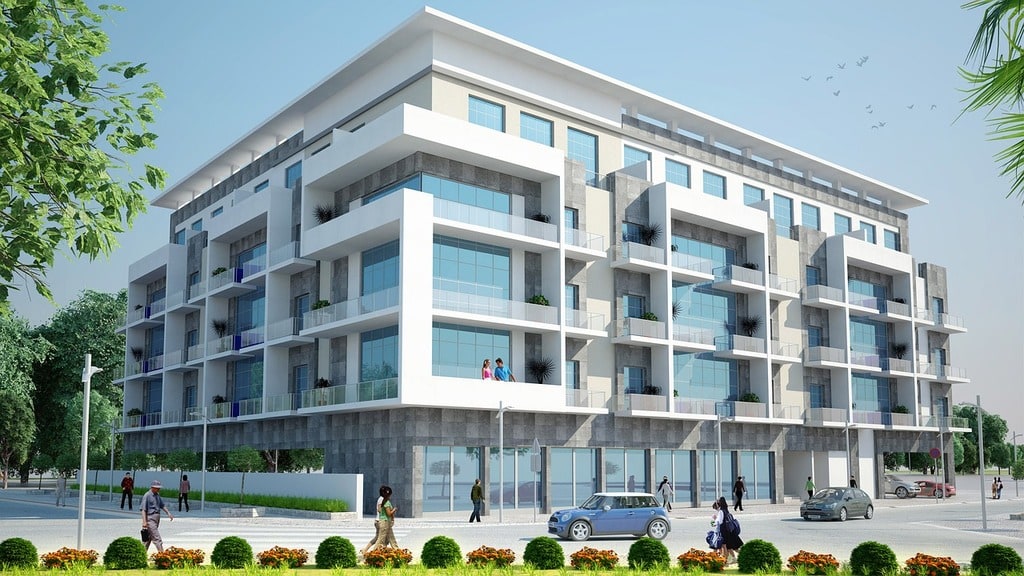
Geometric Dreams in Concrete Jungles Revealed
In the sprawling expanse of modern cities, the intricate dance between design and functionality is constantly evolving. The urban landscape is not just a collection of buildings; it represents the aspirations, dreams, and challenges of contemporary society. Among the towering giants of stone and steel, a new trend is emerging—one that marries the precision of geometry with the rawness of concrete. This architectural movement is transforming urban environments into spaces where imagination and reality intersect in unexpected ways.
The Intersection of Geometry and Urban Architecture
Geometric designs in architecture are not entirely new, but their application in urban settings has taken a novel turn. The essence of these designs lies in their ability to create harmony from complexity. Architects are increasingly leveraging geometric principles to craft structures that are both aesthetically pleasing and functionally efficient. In the heart of these concrete jungles, one can witness a symphony of shapes, where curves meet lines and angles create rhythm.
The marriage of geometry with urban architecture is not simply about visual appeal. As cities grapple with population growth and environmental concerns, geometric designs offer practical solutions. For instance, the use of triangles and hexagons can enhance the strength and stability of buildings while minimizing material usage. This approach not only respects the environment but also reflects a commitment to sustainability.

Manifestations of Geometric Dreams
Across the globe, examples of geometric architecture are making waves. From the iconic Louvre Pyramid in Paris to the breathtaking Burj Khalifa in Dubai, these structures showcase the limitless possibilities of geometry in design. These architectural marvels are more than just buildings; they are masterpieces that inspire awe and curiosity.
Designers are pushing the boundaries, experimenting with forms that defy conventional logic. The result is a landscape punctuated by buildings that seem to dance with the skyline, their silhouettes casting dynamic shadows that change with the light. This evolution in design philosophy is not merely about aesthetics; it is a reimagining of how individuals interact with their environment.
Key Principles in Modern Geometric Architecture
Several principles underpin the success of geometric architecture in urban settings. These principles not only guide the design process but also ensure that the structures serve their intended purpose without compromising on beauty or efficiency. Some of the key principles include :
- Symmetry and Balance: creating harmony in design by distributing visual weight evenly across a structure.
- Proportion and Scale: ensuring that each element of the design is proportionate to the others, contributing to a cohesive whole.
- Material Innovation: utilizing advanced materials that allow for greater flexibility and creativity in design.
- Environmental Integration: designing structures that not only coexist with their surroundings but also enhance the natural environment.
These principles are not just theoretical constructs; they are the foundation of a new architectural ethos that prioritizes innovation and sustainability. By adhering to these guidelines, architects can create spaces that resonate with the human experience, offering both functionality and inspiration.
The Future of Urban Design
As cities continue to grow and evolve, the role of geometric architecture will likely become even more pronounced. The fusion of technology and design is opening up new frontiers, allowing architects to explore forms that were once deemed impossible. With the aid of digital tools, designers can visualize and construct complex geometric patterns that push the boundaries of imagination.
The potential of geometric architecture extends beyond aesthetics. By embracing this approach, urban planners can address critical challenges such as housing shortages and resource management. The integration of smart technology with geometric design holds the promise of creating cities that are not only beautiful but also highly functional and sustainable.
In this ever-changing world, the geometric dreams woven into the fabric of concrete jungles offer a glimpse into the future. These architectural wonders stand as testaments to human ingenuity and creativity, inviting individuals to dream bigger and reach higher. As the cities of tomorrow take shape, geometry will continue to play a pivotal role in shaping the urban landscapes that define human existence.
