
Eyes That Speak Volumes Without Uttering Words
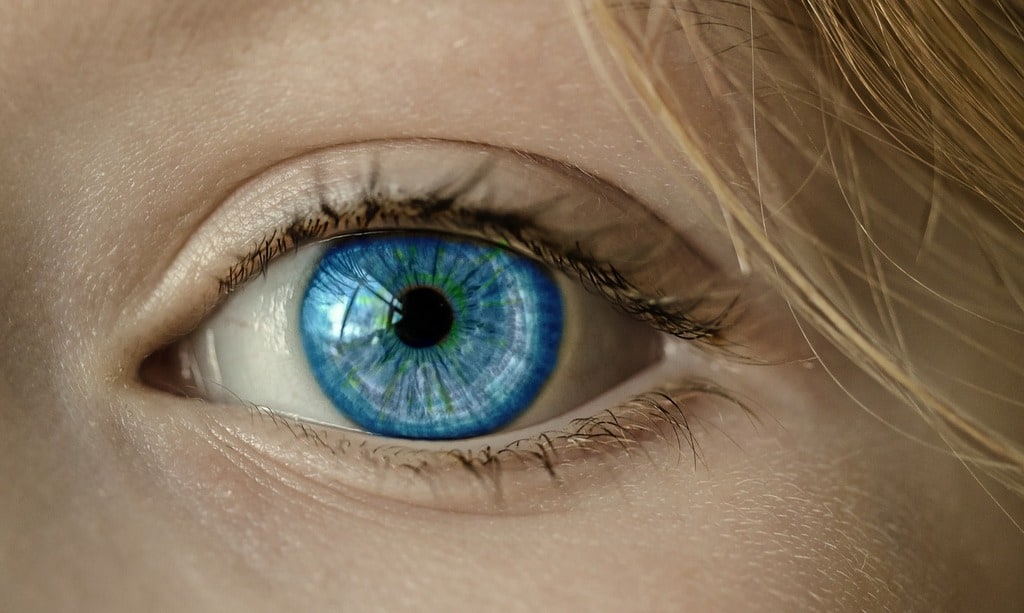
In the world of portraiture, the focus often drifts to capturing the essence of the subject. While expressions, postures, and backgrounds play significant roles, the eyes are frequently the centerpiece of any portrait. Eyes possess the capacity to convey deep emotions and stories without the need for spoken words. They are said to be windows to the soul, and in the realm of visual art, they hold the power to transform a simple image into a compelling narrative.
The Silent Language of the Eyes
Portraying emotions through the eyes requires a meticulous understanding of their expressive potential. Artists and photographers have long emphasized the role of the eyes in communicating unspoken words. The subtle nuances in a gaze can reveal joy, sorrow, curiosity, or defiance. These expressions are captured not only in the shape or color of the eyes but also in their movements and the context in which they are presented.
When crafting a portrait, the eyes often serve as the focal point. They guide the viewer’s gaze and invite them to explore the depths of the subject’s personality. This can be achieved through various techniques, such as playing with light and shadow or using specific angles to highlight the eyes’ prominence. Through careful consideration, an artist can utilize the eyes to create a powerful connection between the subject and the observer.
Understanding this silent language is a valuable skill for any artist seeking to create impactful portraits. By focusing on the eyes, artists can capture emotions that resonate with viewers on a profound level, transcending the barriers of spoken language.
Techniques for Capturing Expressive Eyes
Creating an evocative portrait involves more than simply pointing a camera or brush toward the subject. Various techniques can be employed to enhance the expressiveness of the eyes.
Lighting remains a fundamental component in shaping the emotion conveyed through the eyes. Soft lighting can bring out warmth and gentleness, while harsher lighting may evoke intensity or drama. The use of natural light can add authenticity, whereas artificial lighting might introduce a more stylized effect.
Another technique is the strategic use of color. The choice of complementary or contrasting colors can draw attention to the eyes, making them stand out within the portrait. This approach can also influence the mood of the image, adding layers of meaning to the subject’s gaze.
Elements to Consider in Eye-Centric Portraiture
When focusing on the eyes, several elements should be taken into account to create a balanced and engaging portrait. Here are some key considerations :
- Focus: ensuring that the eyes are sharp and in focus is essential for drawing the viewer’s attention.
- Reflection: utilizing reflections in the eyes can add depth and life to the portrait.
- Composition: placing the eyes according to the rule of thirds can create an aesthetically pleasing image.
- Emotion: capturing a genuine emotion in the eyes will make the portrait more relatable and engaging.
Each of these elements contributes to the overall impact of the portrait, enhancing the narrative conveyed through the eyes. By paying careful attention to these details, artists can craft images that resonate on an emotional level.
Beyond the Surface
The exploration of emotions through the eyes in portraiture goes beyond mere aesthetics. It delves into the psychological and emotional realms, offering insights into the human experience. The eyes, in their silent eloquence, have the ability to communicate complex emotions that words often struggle to articulate.
This exploration requires a sensitivity to the subject’s inner world, encouraging artists to look beyond the surface and capture the essence of their subject. By doing so, they create portraits that not only please the eye but also touch the heart.
In the end, the art of capturing eyes that speak volumes lies in the artist’s ability to perceive the depth of human emotions and translate them into a visual language. Such portraits serve as timeless reminders of the power of unspoken communication.
