Enhancing Web Experiences with Engaging Multimedia Content
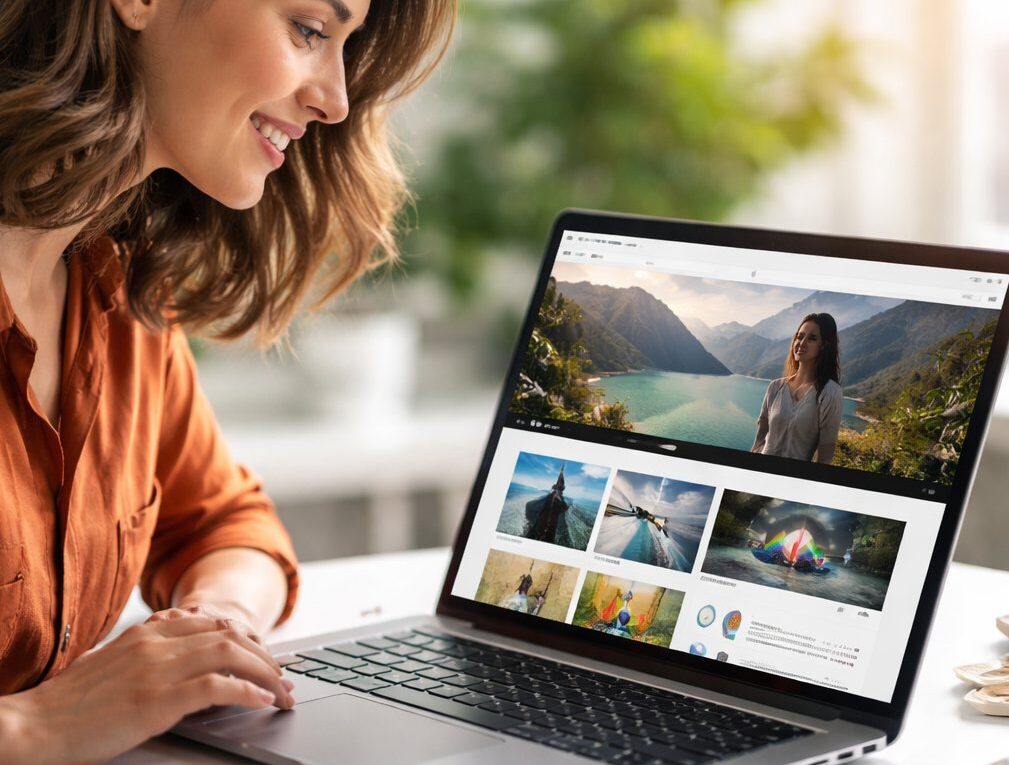
Integrating multimedia elements into a webpage is not just a trend but a necessity for creating a dynamic and immersive user experience. Webpages enriched with multimedia, including images, videos, and audio, create an inviting atmosphere that engages users and keeps them coming back. This engagement stems from our innate preference for visual and auditory stimuli over plain text.
Images can transform the look and feel of a webpage. They break the monotony of text and help convey complex ideas quickly and effectively. When selecting images, it’s crucial to consider factors such as file size, resolution, and relevance. High-resolution images may look stunning, but if they slow down your site, users might not stick around. Opt for images that complement your content and enhance the overall message.
Videos, on the other hand, are a powerful tool for storytelling. They allow for a deeper connection with the audience by combining visual and auditory elements. Whether it’s a product demonstration or a narrative that aligns with your brand’s message, videos can leave a lasting impact. Keep videos short and to the point—no one likes a lengthy video that drags on without purpose. A one to two-minute clip is often enough to capture attention and convey your message.
Audio can be an underrated yet effective addition to a webpage. Background music or a well-placed sound effect can evoke emotions and enhance the user experience. However, it’s vital to use audio judiciously. Autoplaying audio can be intrusive and off-putting to users, especially in a professional setting. Provide users the option to play audio content at their discretion to maintain a positive experience.
Interactivity brings a webpage to life, engaging users in a way static content cannot. Interactive multimedia elements like slideshows, quizzes, or interactive maps can increase user engagement significantly. These elements encourage participation, making the experience more memorable. Interactive content should be intuitive and user-friendly, avoiding complex navigation that might frustrate users.

Responsiveness is another critical aspect when dealing with multimedia content. With an increasing number of users accessing the web via mobile devices, ensuring that multimedia elements adapt to different screen sizes is essential. Responsive design ensures a seamless experience across devices, preventing issues such as misaligned images or unplayable videos on smaller screens.
Another factor to consider is accessibility. Making multimedia content accessible is not just a legal requirement in many jurisdictions but also a moral obligation. Adding alternative text to images, providing transcripts for video and audio content, and ensuring interactive elements are navigable via keyboard are steps toward inclusivity. By catering to users with disabilities, you widen your audience and promote a more inclusive web environment.
Search engine optimization (SEO) is often overlooked in the context of multimedia content. However, it plays a significant role in how your content is discovered. Properly tagging multimedia elements, using descriptive file names, and adding relevant metadata are simple yet effective ways to boost the SEO of your multimedia content. Optimizing for search engines doesn’t just enhance discoverability but also improves the overall user experience by increasing the speed and functionality of your site.
Lastly, consider the integration of multimedia with the overall design and theme of your webpage. A cohesive design ensures that multimedia elements feel like a natural part of your site rather than disjointed appendages. This harmony between multimedia and design helps in conveying a clear and consistent message to the audience.
By thoughtfully integrating multimedia content, you enhance the user experience, create a more engaging environment, and increase the overall effectiveness of your webpage. Multimedia is not just about adding flair—it’s about crafting a narrative that resonates with your audience.
