
Mastering Light and Shadow in Everyday Moments
Photography captures not just images but emotions, stories, and moments in time. One of the most compelling aspects of the craft is the play of light and shadow. These elements can transform an ordinary scene into something extraordinary, creating depth, mood, and drama. Understanding how to harness light and shadow can elevate the artistry of capturing everyday moments.
Understanding Light and Shadow Dynamics
In the realm of photography, light and shadow are powerful tools that define the visual narrative. Light can highlight subjects, create contrast, and evoke specific emotions. Shadows, on the other hand, can add mystery and depth, turning a simple image into a complex story. Mastering these elements involves understanding their dynamics and learning how to manipulate them effectively.
Every photographer, whether amateur or professional, encounters situations where light is either too harsh or too soft. The key is to adapt and use these conditions to advantage. For instance, soft light, commonly found during the golden hours of sunrise and sunset, offers a gentle and flattering illumination. In contrast, harsh midday sunlight can be tamed using shadows to create dramatic effects.
Techniques for Capturing Light and Shadow
Developing an eye for light and shadow requires practice and experimentation. One effective technique is to observe how light falls on different surfaces and how shadows change throughout the day. This observation can lead to a deeper understanding of how to capture them in photographs.
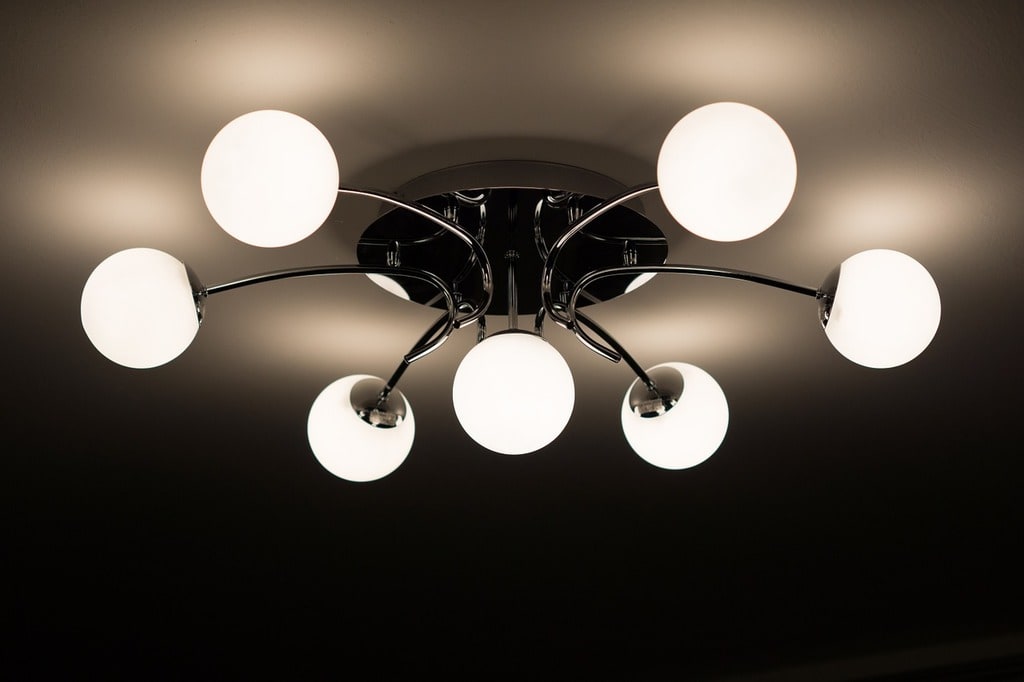
Another technique is to experiment with angles and perspectives. Shooting from different angles can change the way light interacts with the subject, sometimes yielding unexpected and striking results. Additionally, utilizing natural elements like windows, trees, or artificial sources like lamps can help in crafting a desired mood.
- Observe the quality of light at different times of the day.
- Experiment with various angles and perspectives.
- Utilize natural and artificial elements to craft mood.
- Practice shooting in both soft and harsh lighting conditions.
Using Shadows to Tell a Story
Shadows are often perceived as secondary to light, but they hold significant storytelling potential. They can lead the eye, create patterns, and suggest movement or emotion. By consciously incorporating shadows into compositions, photographers can add layers of meaning to their work.
For instance, a shadow cast by a solitary figure can evoke feelings of loneliness or contemplation. Similarly, overlapping shadows can create a sense of movement and energy. The interplay of light and shadow can convey a narrative that goes beyond the immediate subject, engaging the viewer’s imagination.
One way to harness the storytelling power of shadows is to focus on silhouette photography. Silhouettes can simplify a scene, highlighting shape and form while leaving the details to the imagination. This technique can be powerful in conveying strong emotions or abstract ideas.
Embracing Imperfections
Photography is as much about embracing imperfections as it is about capturing the perfect shot. Often, the most compelling images are those that combine unexpected elements of light and shadow. These imperfections can result in unique compositions that might defy conventional rules but resonate emotionally.
Understanding that not every shot will be perfect allows for creative freedom. Experimentation can lead to discovering new techniques and styles. Sometimes, it is the unpredictable nature of light and shadow that creates memorable images.
Ultimately, the journey of mastering light and shadow in everyday moments is one of exploration and creativity. By observing, experimenting, and embracing the unpredictable, photographers can capture images that not only depict reality but also evoke emotion and intrigue.
